
Why Singing Keeps Us Young
The Health Benefits of
Choir Participation--
Why Singing Keeps us Young
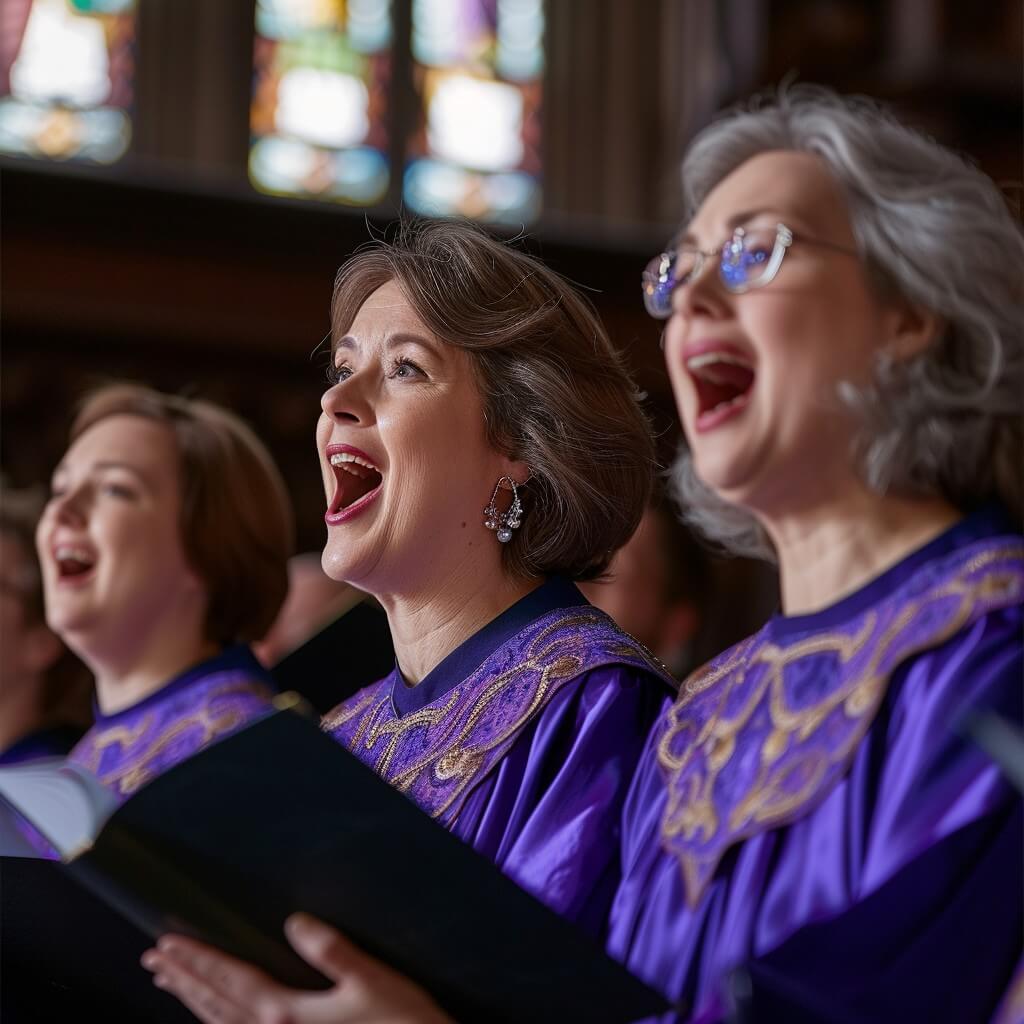
As we age, staying active, socially connected, and mentally sharp becomes increasingly important for maintaining our health and happiness. One surprising and joyful way to support all three is by participating in a choir. Whether you're a lifelong singer or trying it for the first time, joining a senior choir offers benefits that go well beyond hitting the right notes.
Here are some reasons why singing keeps us young
1. Mental Benefits of Singing
Learning new music stimulates the brain and supports memory, concentration, and coordination. Choir members often memorize lyrics, follow harmonies, and stay in sync with a conductor—tasks that engage multiple areas of the brain at once. Research shows that regular musical engagement can even delay cognitive decline and improve verbal fluency in older adults.
2. It Improves Breathing and Posture
Singing requires breath control, which naturally strengthens the diaphragm and expands lung capacity. Over time, this can lead to better oxygen intake and improved stamina. Choir practice also promotes good posture, which enhances balance and reduces the risk of falls.
3. It’s a Great Mood Booster
Singing releases endorphins—those feel-good chemicals that lift our mood. Group singing adds an extra boost by promoting a sense of belonging and emotional connection. Many seniors report feeling less lonely and more upbeat after choir rehearsals, especially when singing uplifting or nostalgic music.

4. Physical Benefits of Singing
Choir participation can lead to:
Lower blood pressure
Reduced stress levels
Strengthened immune response
These benefits arise not only from the act of singing but from the calming, rhythmic breathing it encourages and the positive social interactions it fosters.
5. Builds a Strong Social Network
Being part of a choir means being part of a community. Regular rehearsals and performances create meaningful bonds between members. These friendships help reduce isolation—a key factor in healthy aging—and provide emotional support during life’s ups and downs.
6. Confidence and Purpose
Senior choir members often experience a boost in confidence from performing. Whether it’s a local concert or a church service, having a purpose and something to prepare for gives singers a sense of direction. This engagement contributes to mental and emotional well-being.
7. Lifelong Learning and Growth
Learning new pieces, practicing harmonies, and exploring different musical styles keeps the mind flexible and curious. Many choirs challenge their members just enough to foster growth without overwhelming them. It’s a wonderful way to keep learning at any age.
8. Singing Keeps the Spirit Young
There’s a timeless joy in making music with others. Singing brings back memories, sparks creativity, and helps us express what words sometimes cannot. Choir members often say they feel younger after a good rehearsal—not just in body, but in heart and spirit.
In Summary:
Participating in a senior choir offers a rich blend of physical, mental, emotional, and social benefits. So whether you’re already singing or considering joining, remember: it’s never too late to raise your voice and let your soul sing. Choir isn’t just good for the heart—it helps us feel truly alive.

The Asheville Senior Chorus is an active chorus as part of the Community Partnership Program with the Osher Lifelong Learning Institute (OLLI) at UNC-Asheville. Led by Chuck Taft, they produce harmonious tunes while also building strong bonds and valuing shared moments. Their concerts feature a diverse range of musical styles and periods.
QUICK LINKS
GET IN TOUCH
- PO Box 8185 Asheville, NC 28814
- info@ashevilleseniorchorus.com
- +1 828 633 1813
©2025. Asheville Senior Chorus. All Rights Reserved.